
For nearly six decades, Chester Weger sat in an Illinois prison, convicted as the so-called Starved Rock Killer. Like many felons, Weger maintains his innocence. Could he be right?
Chester Weger
Chester Otto Weger was born in 1939 and grew up in LaSalle County, Illinois. At the time of the Starved Rock murders, he was 21 years old and worked as a dishwasher at the Starved Rock Lodge, located near where the victims were last seen. Weger was married with two children and lived in a modest home near the park. His criminal record at that point was limited to minor offenses, none of which suggested a history of violent behavior.

The Murders
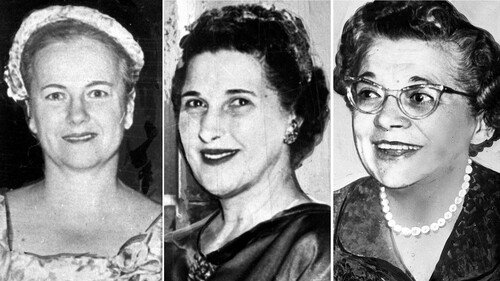
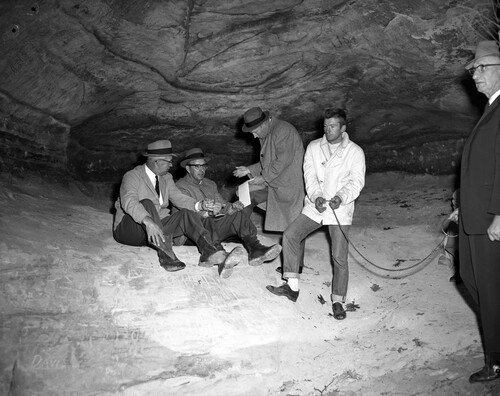
On March 14, 1960, searchers found the bodies of three suburban Chicago women, Lillian Oetting, Frances Murphy, and Mildred Lindquist, in St. Louis Canyon. The canyon is in a remote part of Starved Rock State Park in LaSalle County, Illinois. The killings were violent and abrupt. Investigators determined that the murder weapon was a frozen tree branch. The bodies had been dragged to a secluded spot in the canyon and partially covered with snow. The brutality of the killings drew attention from law enforcement and received considerable publicity.
State and local police conducted an extensive investigation. Weger became a person of interest after authorities noted inconsistencies in his statements and a series of other circumstantial indicators. Police brought him in for questioning, and after an extended interrogation, he confessed to the murders. He later recanted, stating that investigators coerced him into admitting guilt. Nonetheless, the confession became a central piece of the prosecution’s case against him.
Chester Weger Tried and Convicted
Six months after the discovery of the bodies, police arrested Chester Weger and charged him with the murder of Lillian Oetting. The prosecution focused its case primarily on his confession, in which he detailed events that allegedly took place on the day of the murders. Investigators claimed that the confession included details only the killer would know. However, critics dispute this assertion. They argue that information could have been fed to Weger during questioning.
The trial began on February 13, 1961, and the jury returned a guilty verdict on March 3. Weger was sentenced to life in prison. Notably, the State of Illinois only tried him for Oetting’s murder, although the circumstances suggested a single assailant committed all three homicides. The decision to try him for only one murder was a common legal strategy at the time, intended to secure a conviction while preserving the option of future trials.
Questions surrounding the fairness of the trial emerged almost immediately and persisted over the following decades. Weger’s defense argued that police obtained the confession under duress and that no physical evidence definitively tied him to the scene. Prosecutors, however, maintained that the confession, along with supporting circumstantial evidence, was sufficient to establish guilt.
Chester Weger in Prison
Weger spent nearly six decades in prison, consistently maintaining his innocence following the initial recantation. Throughout the years, various appeals and petitions were filed, with advocates calling for a review of the case. These efforts gained momentum in the early 2000s, when questions about forensic evidence and interrogation practices in past decades began to emerge.

The Illinois Prisoner Review Board granted Weger parole in 2019. At the time, he was one of the longest-serving inmates in the state’s correctional system. The decision to release him did not reverse the conviction but instead acknowledged that he had served a significant portion of his sentence and posed a low risk of reoffending. His supporters met his release with relief. Others, however, particularly the victims’ grandchildren, who continued to believe in his guilt, strongly disapproved.
After his release, Weger moved into transitional housing and later relocated to a private residence with assistance from advocacy groups.
DNA Testing: Was Chester Weger Guilty?
Following Weger’s release, efforts to reopen the case intensified. In 2022, a court granted a request for advanced DNA testing on several items of evidence, including hair and other material found at the crime scene. Some results were inconclusive or degraded due to the age and storage conditions of the samples, but others raised new questions.
According to Weger’s legal team, preliminary DNA results did not match Weger. However, prosecutors and independent analysts emphasized that the presence or absence of certain DNA traces does not necessarily confirm or refute guilt in cases involving multiple individuals, environmental exposure, and degradation over time. As of today (2025), the case remains unresolved from a forensic standpoint. Testing did not exonerate Weger, nor did it identify any new suspects..
Epilogue
Weger’s parole did not constitute an exoneration, and the state of Illinois did not vacate his conviction. This legal ambiguity left the case in a state of legal limbo. The official record holds a conviction, while new developments continue to cast uncertainty over its validity.
Chester Weger died of cancer on June 22, 2025, more than five years after Illinois granted his parole. He was 86 and maintained his innocence until the end of his life.
Don’t Miss Out! Subscribe to the Newsletter
Subscribe to True Crime in the News, a monthly email newsletter that examines recent news stories of interest to true crime enthusiasts. The newsletter also summarizes the previous month’s blog posts. You won’t want to miss this. Join the newsletter mailing list today.